Ochre Rugs: The Warm Yellow-Brown Making a Comeback in British Homes
Ochre isn’t new. It’s one of the oldest pigments humans have used, ground from natural clay and iron oxide, found in cave paintings that predate written language. That deep history is part of why the colour feels so different from a typical trend shade when it turns up in a modern home. This guide explains what ochre actually is, why it’s resurfacing in UK interiors, and how to choose the right ochre rug for your space.
Understanding Ochre as a Colour
Ochre sits in the territory between yellow, brown, and orange, warmer and more muted than mustard, earthier and less orange than terracotta. It’s often described as a “dirty” yellow, not in a negative sense, but because it carries visible brown undertones rather than reading as a clean, bright yellow. This muted quality is exactly what gives ochre its sense of depth and maturity, a colour that feels grounded rather than attention-seeking, despite being genuinely warm and vivid.
Because it’s derived from natural pigment rather than a purely synthetic dye colour, ochre also tends to vary slightly between manufacturers and rug types, some lean a touch more golden, others sit closer to a deep mustard-brown. It’s worth viewing a physical sample where possible, since ochre is one of the shades most affected by the specific lighting in your own room.
Why Ochre Is Resurfacing in UK Interiors
Earth tones have replaced cool neutrals as the dominant British palette. After a long period where grey and white ruled UK interiors, homeowners have swung decisively toward warmer, more textured colour schemes, rust, terracotta, olive, and ochre among them. This isn’t simply a passing accent trend; it reflects a broader shift toward interiors that feel more grounded and less clinical.
It has deep roots in traditional craft and pottery. Ochre has a long-standing presence in ceramics, ceramics glazes, and woven textiles, giving it an inherent sense of authenticity that newer synthetic colours often lack. As handmade, artisanal-feeling homeware has grown in popularity across the UK, ochre has followed naturally.
It works exceptionally well against the wood and natural materials already common in British homes. Exposed beams, reclaimed wood furniture, and natural stone have remained popular fixtures of UK renovation projects, and ochre complements all of them far more naturally than a cooler, more synthetic-feeling colour would.
It offers genuine warmth during the darker months. British winters bring long stretches of grey skies and early sunsets, and ochre’s inherent richness helps counter that, bringing a sense of sunlight and warmth into a room even when there’s very little of either outside.
The Practical Side of Choosing Ochre
It conceals dirt better than most people expect. As a mid-toned, muted colour rather than a bright, clean yellow, ochre hides everyday marks, dust, and general wear considerably better than a pale neutral, while still bringing real colour into a room.
It functions as a genuine focal point without needing anything else in the room to match. Because ochre is already such a distinctive colour, a rug in this shade can act as the room’s single statement piece, reducing the pressure to coordinate everything else around it.
It suits an unexpectedly wide range of existing colour schemes. Cream, charcoal, forest green, navy, and even soft pink all sit comfortably alongside ochre, since its earthy undertone gives it more flexibility than a purer, brighter yellow would offer.
It photographs with genuine richness, particularly in natural light. Ochre holds warmth and depth in photographs especially well, a quality that has helped fuel its popularity across interior design social media in recent years.
The Range of Ochre Rug Styles
Plain ochre rugs
It offer a single, solid expanse of the colour, ideal for modern and minimalist interiors where the rug is meant to bring warmth without competing pattern.
Textured ochre rugs
It use chunky knit, looped, or woven finishes to bring out the colour’s natural, craft-inspired character, popular in relaxed, rustic living rooms.
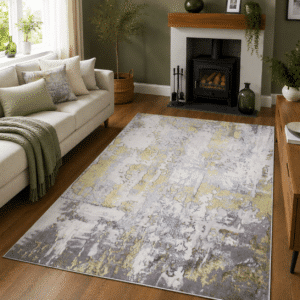
Ochre and cream rugs
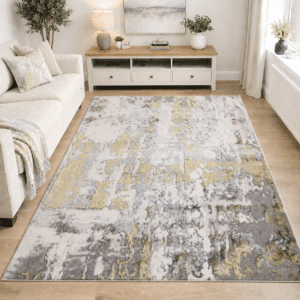
Ochre and cream rugs soften the intensity of the colour considerably, useful for anyone who wants warmth without a fully saturated rug underfoot.
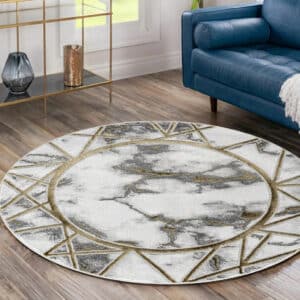
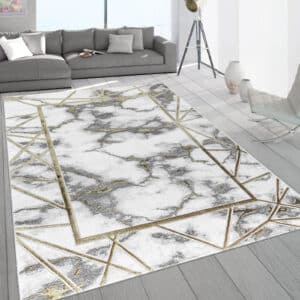
Geometric ochre rugs
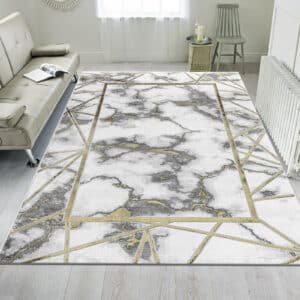
It bring structured shapes and pattern, often combined with charcoal or terracotta, creating a more contemporary interpretation of the colour.
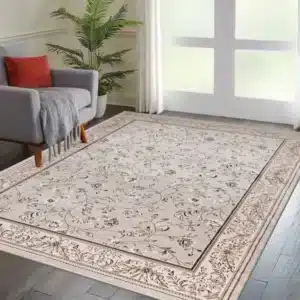
Vintage and distressed ochre rugs
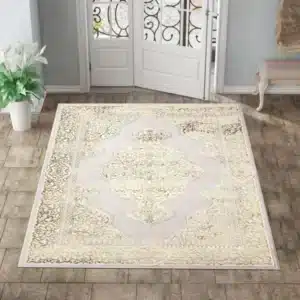
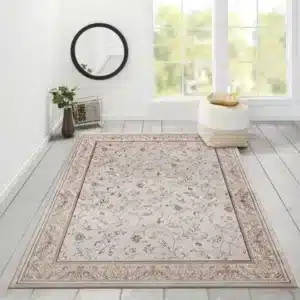
It carry a faded, aged quality that enhances the colour’s already earthy, historic feel, particularly suited to period properties and bohemian interiors.
Ochre kilim and tribal-style rugs
These Rugs draw on traditional weaving techniques where this exact pigment has been used for centuries, bringing genuine texture and heritage alongside the colour itself.
Matching Ochre to the Right Room
Living rooms suit a large plain or textured ochre rug particularly well, especially alongside cream, charcoal, or wood furniture that lets the colour take centre stage without competition.
Dining rooms benefit from ochre’s warm, appetite-associated tones, a rug in this colour brings genuine richness to mealtimes, especially paired with wood dining furniture.
Home offices work well with a geometric or textured ochre rug, offering enough warmth and energy to keep a workspace feeling alert without becoming distracting.
Hallways suit an ochre runner nicely, the colour handles daily foot traffic reasonably well while creating a genuinely warm first impression the moment someone steps through the door.
Bedrooms are the room where ochre needs the most consideration. If you want it here, a muted or vintage-style ochre rug works better than a bold, saturated version, since the softer treatment suits a space built around rest rather than energy.
Ochre Rug Sizing Guide
| Room |
Recommended Size |
| Small hallway |
60cm x 120cm or 60cm x 180cm |
| Medium to long hallway |
60cm x 240cm or 80cm x 300cm |
| Living room (medium) |
160cm x 230cm |
| Living room (large) |
200cm x 290cm or 240cm x 340cm |
| Dining room (4–6 seats) |
200cm x 290cm minimum |
| Double bedroom |
160cm x 230cm or 200cm x 290cm |
| Home office |
120cm x 170cm or 160cm x 230cm |
Which Floors Suit Ochre Best
Light oak and pale wood floors create one of the most naturally pleasing pairings available, ochre’s warmth extends the wood’s own tone rather than fighting against it.
Dark wood floors work well with ochre too, creating a rich, tonal, earthy look, particularly striking in dining rooms and living spaces with plenty of wood furniture.
Stone and terracotta tile continues an already earthy palette seamlessly, a natural pairing in kitchens and conservatories with this kind of flooring already in place.
Polished concrete benefits significantly from ochre’s warmth, softening the coolness of concrete flooring while reinforcing the room’s overall grounded, considered aesthetic.
Building a Room Around an Ochre Rug
Keep the surrounding palette relatively restrained, cream, charcoal, or warm white walls give an ochre rug room to stand out without the space feeling overwhelming. If you want to echo the ochre elsewhere in the room, one or two accents, a cushion, a piece of pottery, are usually enough, adding it everywhere can tip a room from “warm and grounded” into “overly themed.”
Warm metallics like brass, copper, and aged gold suit ochre naturally, reinforcing its earthy, craft-inspired character far better than cool chrome would. Wood furniture in almost any tone complements ochre comfortably, and layering in natural materials, rattan, linen, wool, extends the colour’s inherently organic feel throughout the rest of the space.
Caring for an Ochre Rug
Vacuum on a regular schedule to keep dust and debris from settling into the fibres and dulling the colour’s natural richness over time. Treat any spills immediately, blotting gently with a clean cloth and a mild solution of washing up liquid and cold water rather than rubbing, and test any cleaning solution on a hidden section first, since natural-pigment-inspired dyes can occasionally behave differently to synthetic ones. Rotate the rug every few months, particularly in rooms with strong natural light, to keep wear and colour consistent across the whole surface. A professional clean once a year is worth budgeting for on larger rugs in busy rooms, helping to keep the colour looking rich rather than allowing it to flatten or dull with everyday use.
Bring This Historic Colour Into Your Home
Ochre offers something genuinely different from most rug colours on the market, a shade with real historical depth, drawn from one of the oldest pigments used by humans, now finding fresh relevance in contemporary British interiors. It brings warmth into a room without needing a bold, synthetic-feeling colour to do it, and pairs naturally with the wood, stone, and natural materials already common across UK homes.
Browse the full range by style and size, and find the ochre rug that brings genuine warmth and history into your home today.